


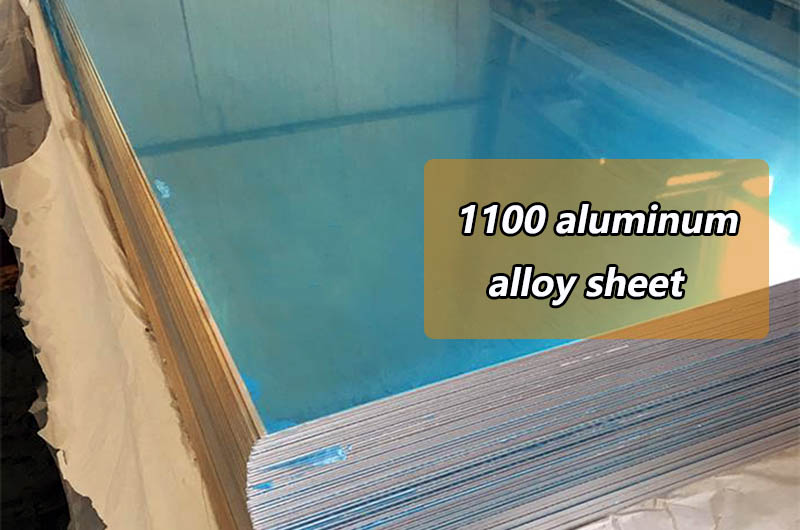
1100 aluminum sheet is known for its excellent overall properties, including conductivity, formability, weldability, corrosion resistance, environmental performance, and cost-effectiveness. These attributes make it widely used in various industries.
Key Quality Control Elements for 1100 Aluminum Sheet
: Ensuring the raw materials meet the required standards is crucial. Impurities such as iron (Fe), silicon (Si), and copper (Cu) can negatively impact the properties of the aluminum alloy. In particular, Fe and Si can reduce the aluminum's electrical conductivity.
: During smelting, both temperature and time must be carefully managed to ensure that the aluminum ingot is fully melted and maintained in a liquid state long enough. This helps reduce defects like pores or cracks that can arise from improper smelting.
: The temperature and timing during casting significantly affect the quality of the product. Strict control over casting speed is essential to avoid defects like cold shuts or cracks.
Key Control Elements for Hot-Rolled 1100 Aluminum Sheet
: In hot rolling, the temperature of the metal is crucial for its plasticity and forming characteristics. Maintaining the right temperature ensures optimal rolling results.
: The resistance to deformation during hot rolling is considerable, so appropriate rolling methods and tools must be chosen to manage it effectively.
: The width of the hot-rolled aluminum coils directly influences the dimensional accuracy and shape of the product. It must be carefully controlled during the rolling process.
: The thickness of hot-rolled aluminum coils affects the final product's strength and stiffness, so precise thickness control is required.
: The speed at which the hot-rolled coils are processed impacts both production efficiency and product quality. Adjustments to speed should be made based on specific conditions to balance both factors.
Key Control Elements for Cold-Rolled 1100 Aluminum Sheet
: The shape of the aluminum plate during cold rolling plays a significant role in ensuring dimensional accuracy and product quality, requiring precise control.
: The surface quality of cold-rolled aluminum coils is essential for both appearance and performance. Strict control is necessary to achieve a high standard.
: Surface roughness affects both friction and corrosion resistance. This parameter needs careful control to meet performance requirements.
: The hardness of cold-rolled aluminum coils influences the material's mechanical properties. This must be kept within appropriate limits to maintain optimal performance.
: The accuracy of cold-rolled aluminum coils includes parameters like thickness, width, and length. These factors must be controlled to meet product specifications and ensure it's fit for purpose.
During both hot and cold rolling processes, careful management of these factors is necessary to achieve the best possible product quality and performance.
Other Quality Control Factors for 1100 Aluminum Alloy Sheet
: During heat treatment, it is vital to ensure even heating and cooling to avoid warping and cracking of the aluminum plate.
: Surface treatment plays an important role in the final quality of the product. It should be applied uniformly to enhance the aesthetic appeal and value of the aluminum sheet.
: Throughout the production process, regular inspections must be conducted to ensure that the final product meets the required standards.
: Finally, proper packaging is essential to protect the aluminum sheet from damage during transit. The packaging should be secure and aesthetically pleasing.
1100 aluminum sheet product meets the necessary quality standards and satisfies customer expectations.


